
CASE STUDIES
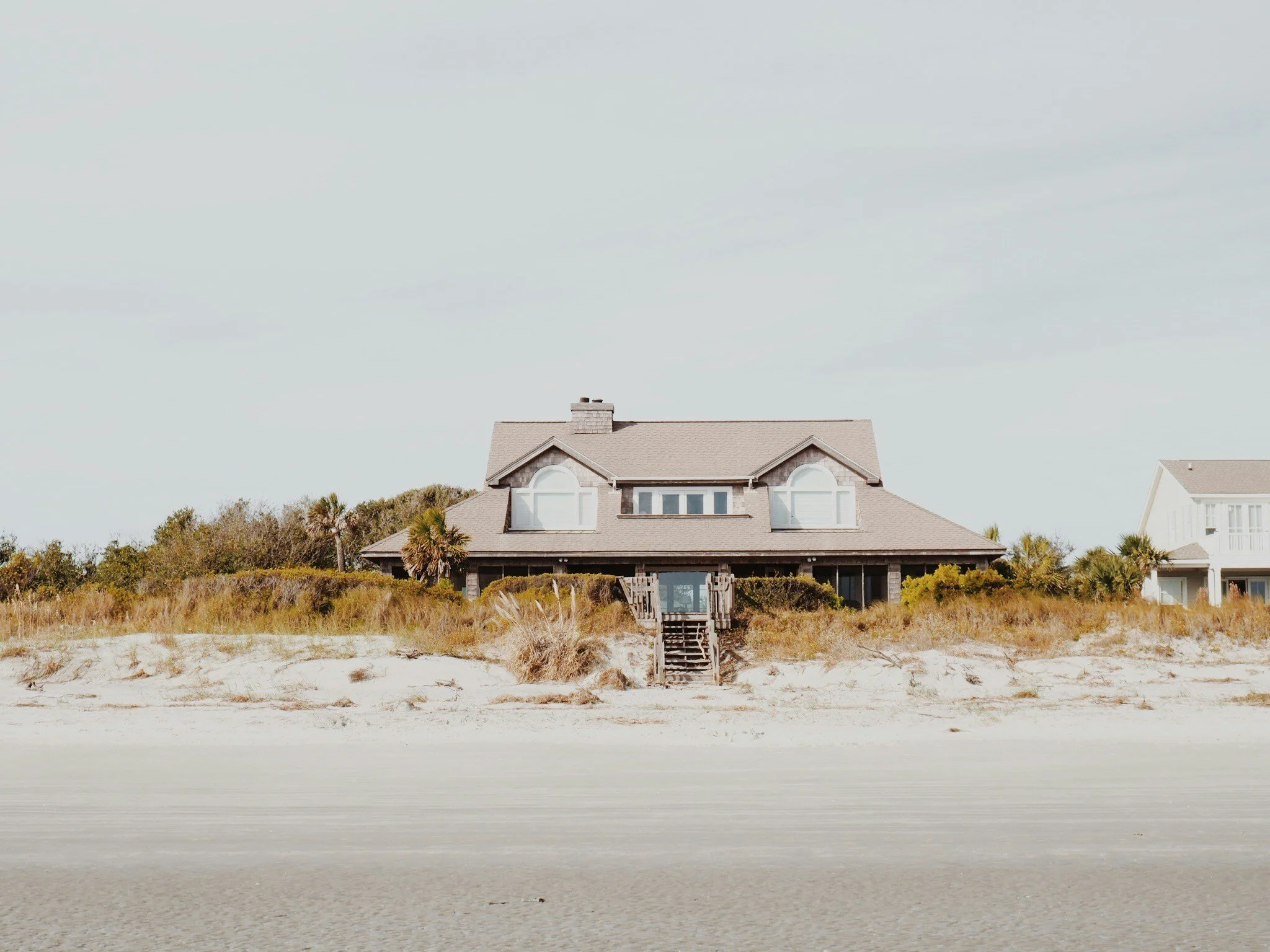
BEACH BABY
a panoramic hilltop home, steps from the beach
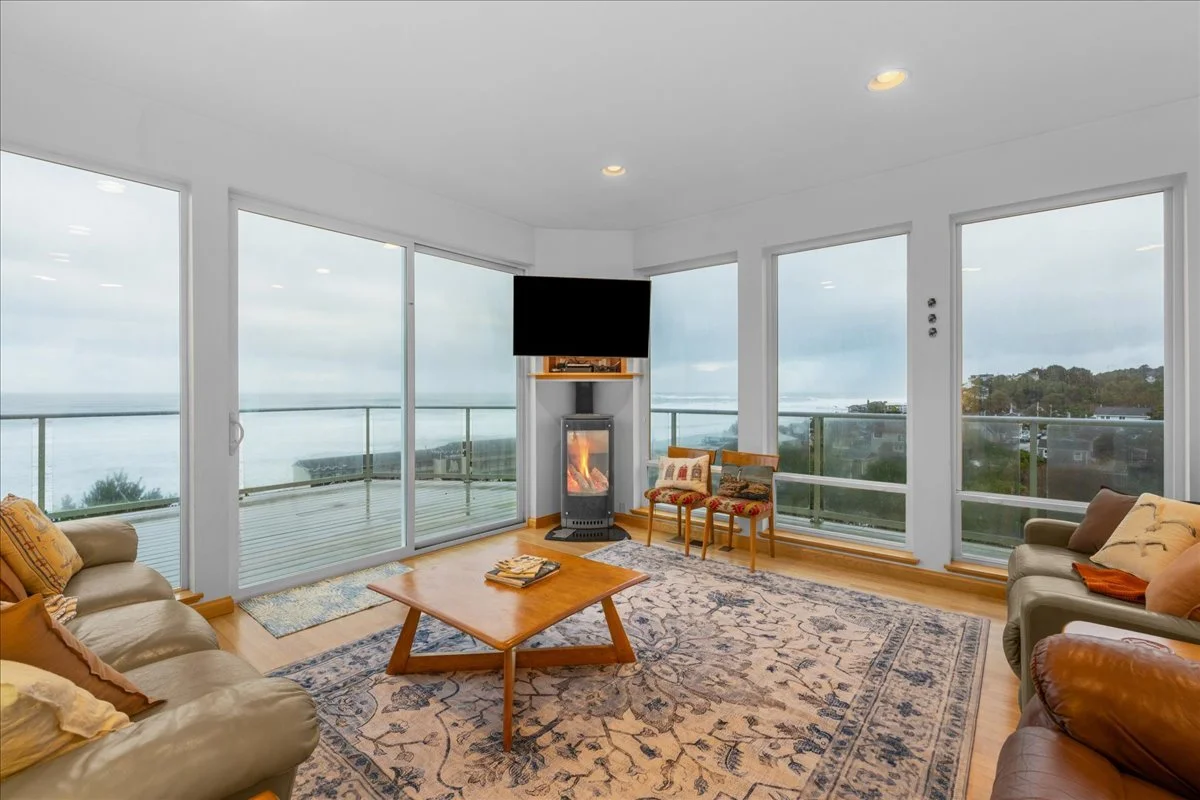
Beach Baby came to us as an established vacation rental that had lost its footing. Guests still loved the home, but revenue had slid year over year, and a management approach that wasn't keeping up had started to show in the reviews. The bones of the home were good. What it needed was a fresh approach to the guest experience and the operation behind it. We started with an intensive walkthrough of the whole property, moving through it the way a guest would and turning it over the way a cleaner would. From there we built an onboarding and optimization plan, grounded in a competitive-set analysis of the homes Beach Baby was up against, and set up the operational backbone to keep the home improving instead of drifting again. The plan came down to two goals. First, make Beach Baby the obvious choice for families by widening its appeal and giving travelers more reasons to book it over the alternatives. Second, give it a seasonal pricing strategy sharp enough to compete in its market and capture demand when it mattered most.
forest cabin
A private and peaceful nature retreat
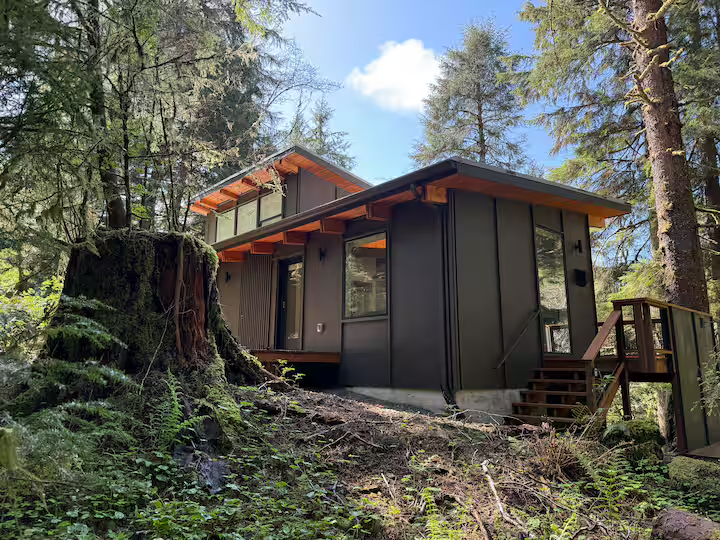
Some homes make your jaw drop before you've even stepped inside. The Forest Cabin is one of them. Tucked into the trees in Neskowin, it's all modern lines, a calm and minimalist interior, and walls of glass that bring the forest inside and give the whole place a treehouse feel. A vacation home this distinctive deserves an online listing that does its strengths justice, and gets it in front of the right traveler.
The homeowner already understood good hosting; he was a Superhost for his home in Portland. But when a move across the country meant he could no longer run the cabin himself, he needed someone he trusted to take it from a finished house to a working listing. A home this distinctive deserves a listing that does it justice and puts it in front of the right travelers, and that's where we came in. We shaped the launch around how guests actually search, choose, and remember a stay. The result was a listing that booked steadily, held a premium rate, and earned reviews that built on one another from the start.
high tide hideaway
An A-frame retreat in the heart of Lincoln City, OR
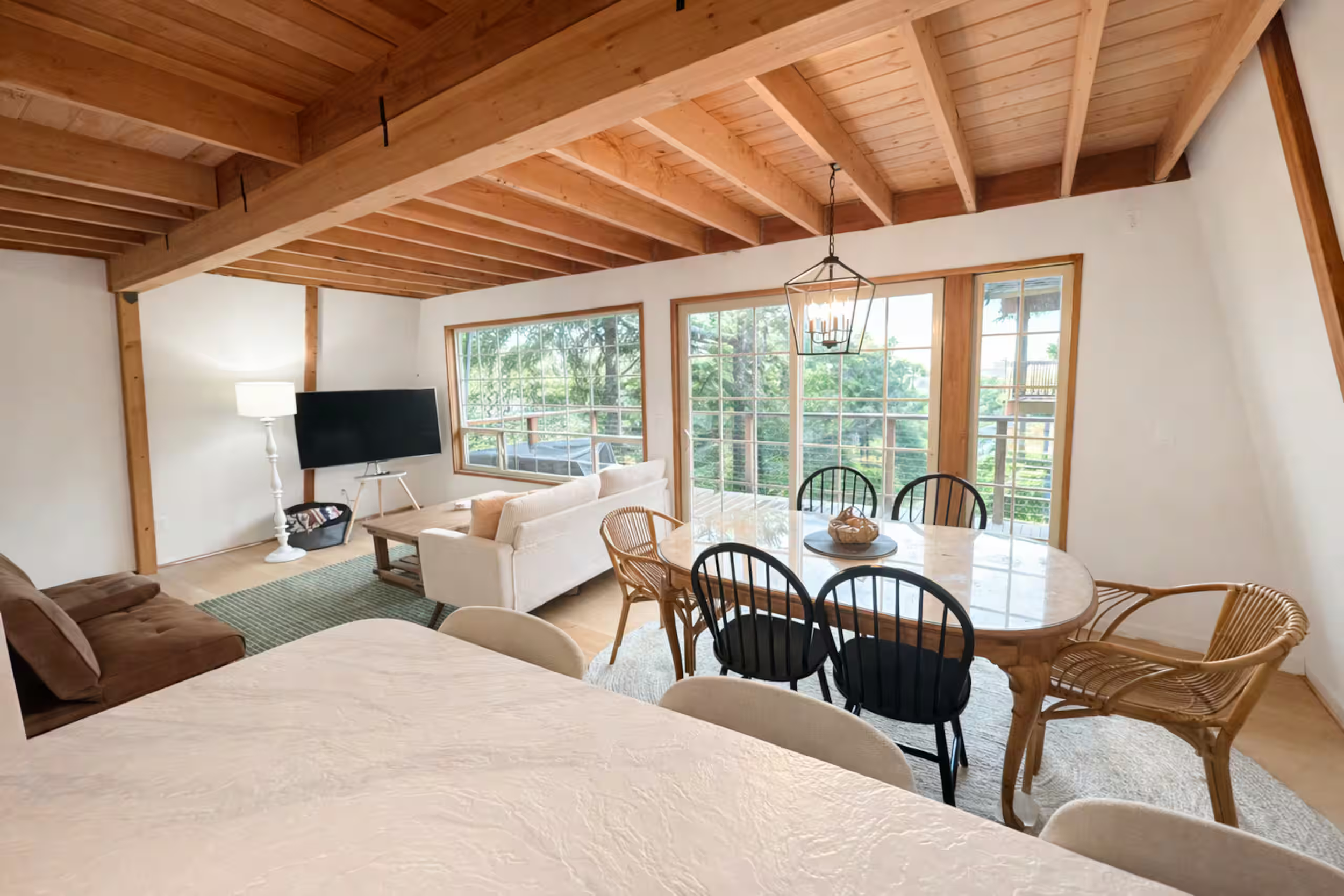
Andrea had everything she needed to succeed except a map. With a natural inclination toward hospitality, She'd carefully furnished her vacation rental, affectionately named “High Tide Hideaway” on the Oregon Coast and planned to manage it herself. However, launching a short-term rental solo means facing dozens of decisions at once: pricing, platforms, permits, guest communication, the right technology, which amenities matter and which don't. It's the kind of list that stalls capable people before they ever get started.
She booked a one-on-one consultation with me to get unstuck. In a single focused session, we worked through the whole launch and turned years of operator experience into a plan she could act on right away. The goal was straightforward: make every decision for her specific home and market clear enough that she could move forward with confidence instead of second-guessing every step.
She left that session with a complete roadmap and the confidence to run it herself.
Sea Salt Forest
a cozy coastal retreat next to the forest and the sea
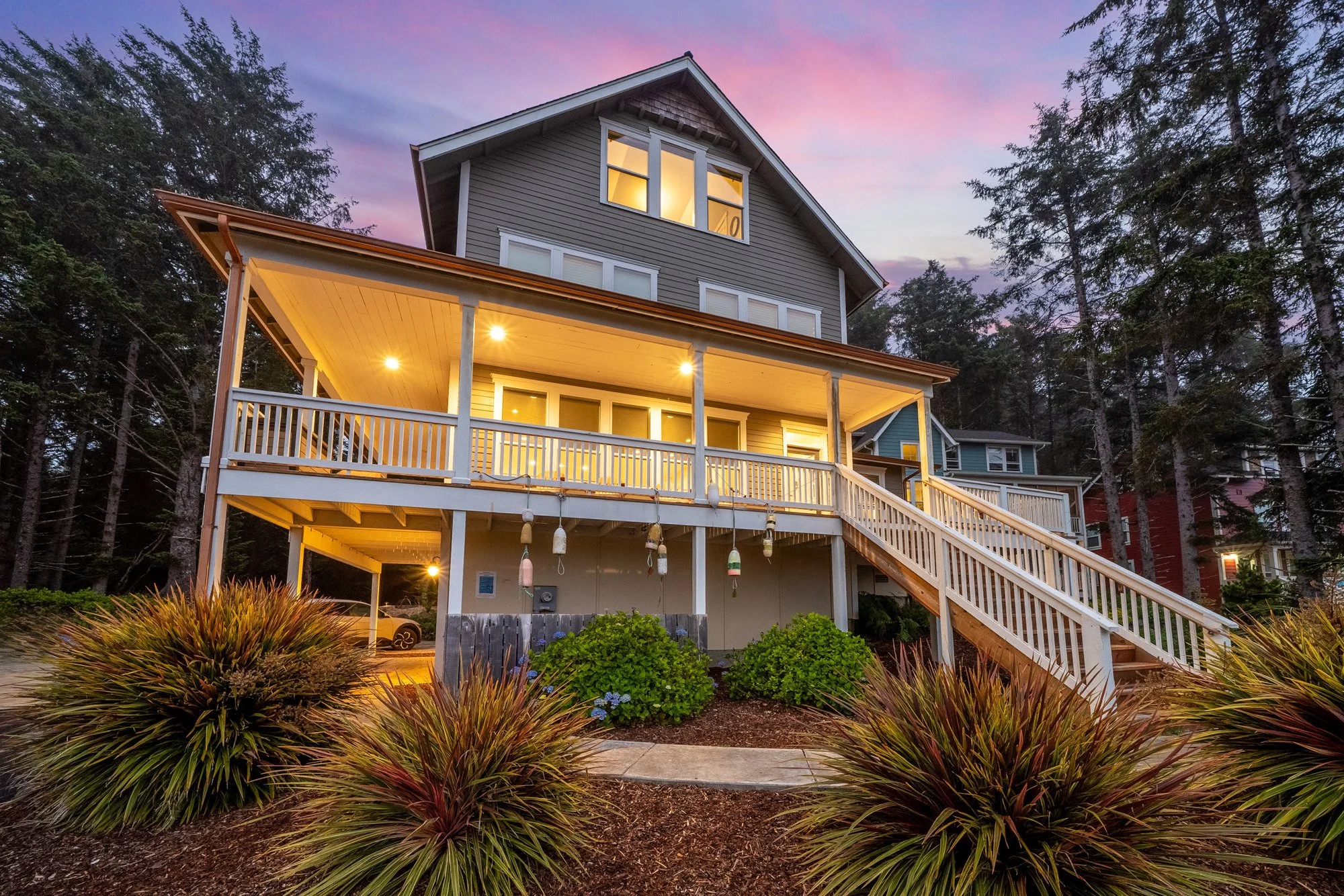
When the project began, it was a complete blank slate: an empty house with the scale to sleep families and large groups, and no plan yet for turning that square footage into a listing that books, earns strong reviews, and holds its rate. The objective was to furnish it from nothing and stand it up as a premium short-term rental.
A house that size carries a particular tension: it has to sleep enough people to justify its rate without any room starting to feel like an afterthought or a bunk room. Before I bought a single piece of furniture, I worked out how each room would be used and pictured the families and large groups who would actually be staying there. The layout decisions came first, and the furnishings followed from them.
Layout settles who fits. The harder question is who's actually staying, and what they'll remember after they leave. Cram a big house and it sleeps more people miserably; under-plan it and you leave revenue on the table. So the design didn't start with furniture. It started there.
The home was a true blank canvas, albeit a bit beige. So I gave each room a distinctive but cohesive theme pulled from the landscape the home sits in: a garden room, a forest room, a tropical room, an ocean room, and the captain's quarters at the very top of the house (the best view!). That decision became the most memorable thing about the place. It is what guests remember and talk about, and a large part of why the home reads as a destination rather than as one more well-furnished rental on the coast.
timberdoodle manor
vacation rental onboarding
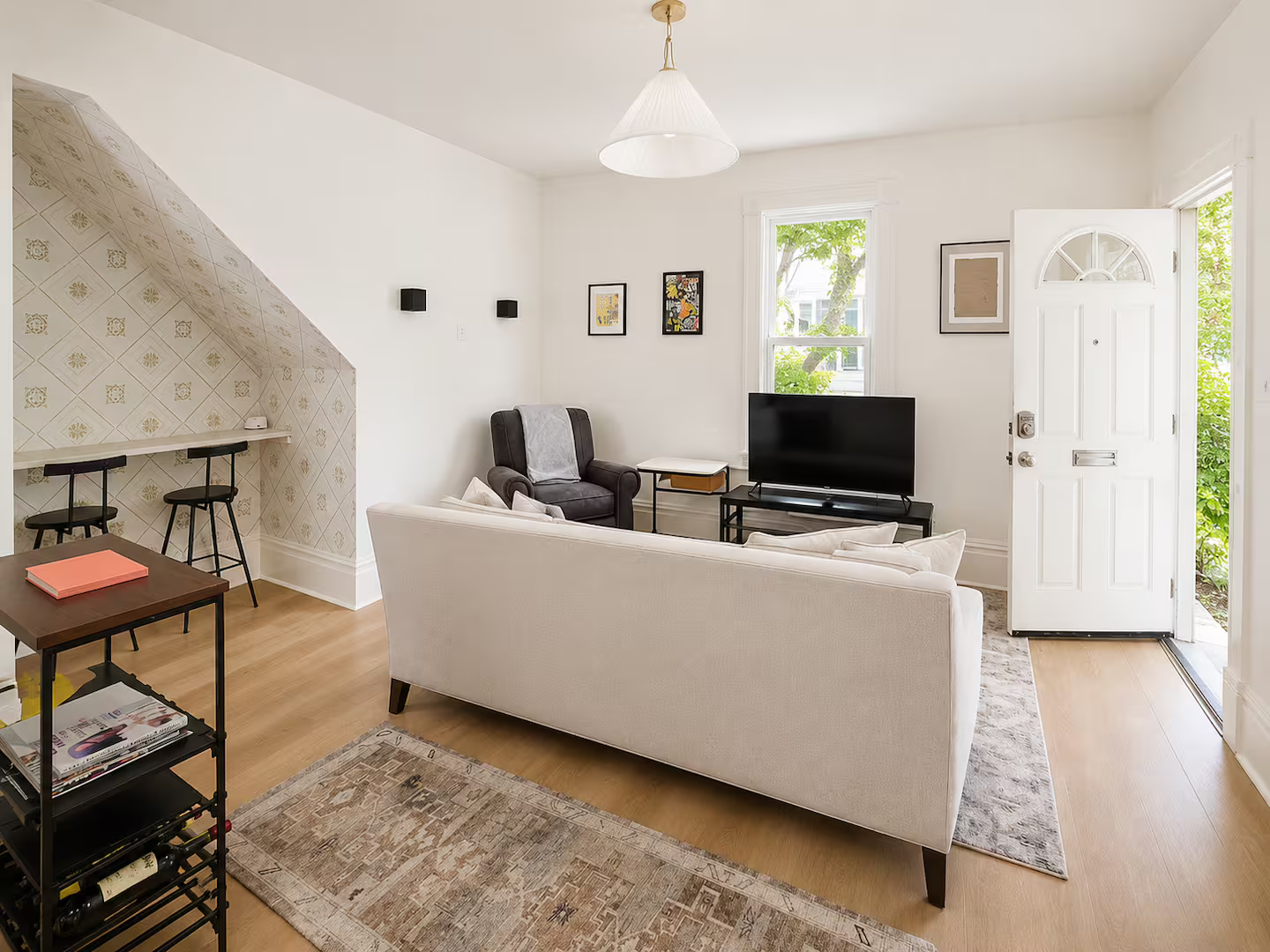
The owner of two one-bedroom units in the Central District was ready to move both homes off the long-term market and relaunch them as short-term rentals. The units were already furnished, but years as long-term rentals had left the pieces tired and the spaces feeling cold. The owner wanted them refreshed and live quickly, since every week they sat unlisted was revenue walking out the door.
We took on both units at once on a one-week turnaround: a full furnishings refresh, staging, professional photography, and complete operational onboarding, for two homes, in seven days.
A timeline that tight rules out the deeper work, so paint, lighting, and a future remodel were set aside for a later phase. The job in front of us was to make the most of what was already there, and add exactly what each home needed to feel like a place a traveler would choose.